
Time: 22 Jul 2026
Author: Tianci Sales Team
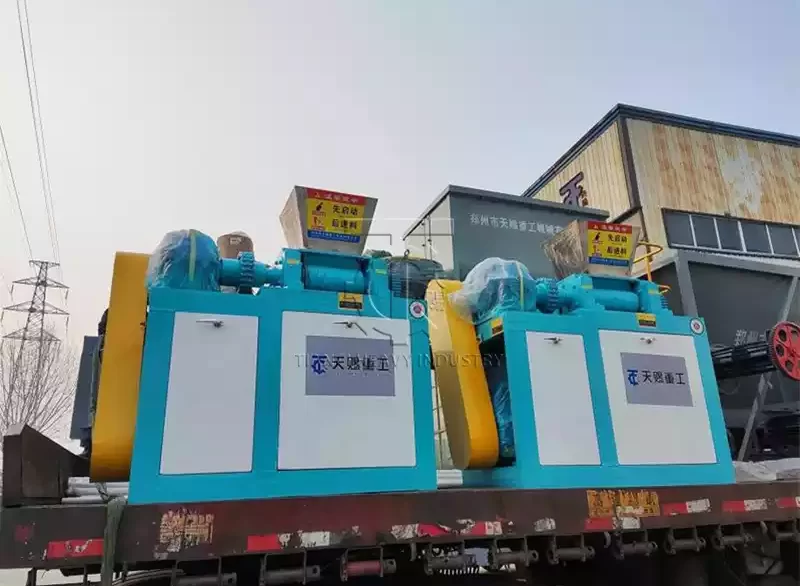
As we enter 2026, the double roller granulator remains one of the most widely used dry granulation devices in compound fertilizer production lines and NPK fertilizer production lines. For companies planning to build fertilizer production lines with an annual capacity of 10,000 to 100,000 metric tons, we recommend prioritizing the DZJ series double roller granulators. Rather than focusing solely on equipment price, it is more important to comprehensively evaluate granulation efficiency, roller shell material, roller shell lifespan, energy consumption per unit, recirculation ratio, after-sales service, and compatibility with the production line. Taking the DZJ series manufactured by Tianci Heavy Industry as an example, the equipment comes standard with a 15–22 kW motor, a production capacity of 1–5 metric tons per hour, and a granulation rate of at least 95%. It utilizes roller shells made of high-chromium wear-resistant alloy or high-manganese wear-resistant alloy steel, capable of meeting the continuous production needs for various formulations, including compound fertilizers, NPK, and potassium chloride.
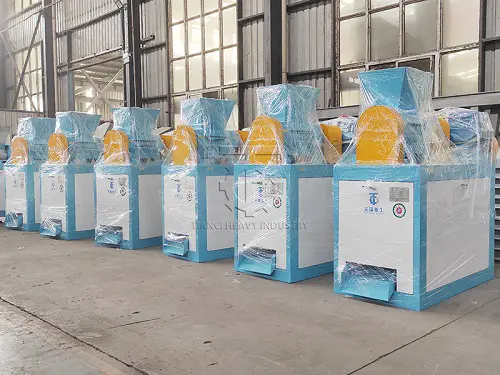
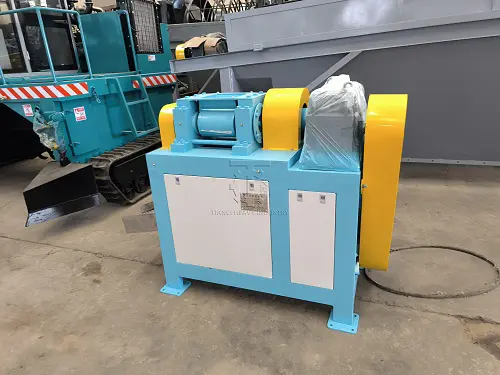
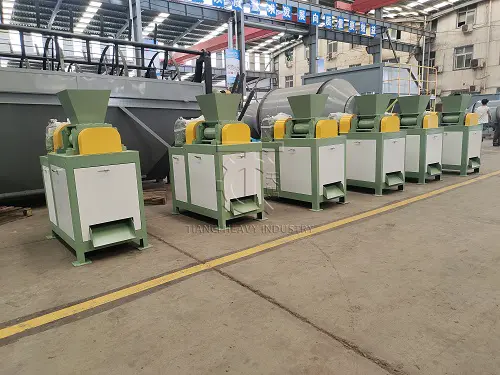
Zhengzhou Tianci Heavy Industry Machinery Co., Ltd., located in Renzhuang, Qiaolou Town, Xingyang City, Zhengzhou, Henan Province, has long specialized in the R&D, manufacturing, and export of fertilizer production equipment, providing turnkey solutions for compound fertilizer and NPK fertilizer companies worldwide. The DZJ Series Double Roller Granulators are widely used in compound fertilizer production lines, NPK production lines, potash fertilizer production lines, and urea production projects. Their key advantage lies in the ability to complete granulation without the need for steam or drying processes, significantly reducing energy consumption and equipment investment costs.
| Model | DZJ-Ⅰ1.0 | DZJ-Ⅰ2.0 | DZJ-Ⅰ3.0 | DZJ-Ⅰ4.0 | DZJ-Ⅱ1.0 | DZJ-Ⅱ2.0 |
| Production Capacity(t/h) | 1~1.5 | 1.5~2.5 | 2~3 | 3~4 | 1~2 | 1.5~2.5 |
| Power(kw) | 15KW | 18.5KW | 22KW | 30KW | 15KW | 18.5KW |
| Pressure roller size | Φ150×220 | Φ150X300 | Φ186X300 | Φ300X300 | Φ150X220 | Φ150X300 |
| Feeding size | ≦0.5mm | ≦0.5mm | ≦0.5mm | ≦0.5mm | ≦0.5mm | ≦0.5mm |
| Finished product specifications | Φ2.5~Φ10 | Φ2.5~Φ10 | Φ2.5~Φ20 | Φ2.5~Φ30 | Φ2.5~Φ10 | Φ2.5~Φ20 |
| Material moisture | 2%~5% | 2%~5% | 2%~5% | 2%~5% | 2%~5% | 2%~5% |
This series of equipment features a modular design, allowing for different models to be configured based on varying production capacities. It can be integrated with automatic batching systems, horizontal mixers, screeners, packaging machines, and other equipment to form a complete production line. Standard configurations include 15–22 kW motors, a production capacity of 1–5 t/h, a granulation rate of over 95%, and adjustable particle sizes ranging from 2–10 mm, capable of meeting the production needs of most small, medium, and large fertilizer plants.
The technical term for double roller granulation technology is “Dry Extrusion Granulation.” Simply put, it uses two counter-rotating rollers to directly compress powdered raw materials into granules under high pressure, rather than relying on moisture or steam for binding.
The entire process can be understood as die-pressing. If ordinary powder is likened to loose flour, then the double rollers act as a high-precision die that, through continuous and stable pressure, compresses the loose raw material in a single pass into granules with uniform density and high strength. The entire process requires no significant addition of water, so subsequent drying is typically unnecessary, resulting in significant savings in production energy consumption.
For the production of compound fertilizers and NPK fertilizers, this process is particularly suitable for low-temperature forming of raw materials such as ammonium chloride, potassium sulfate, diammonium phosphate, and urea. It effectively preserves the activity of the raw materials and reduces nutrient loss caused by high temperatures.
Many procurement professionals, when first encountering double roller granulators, assume that the higher the motor power, the better the equipment’s performance. In fact, this is a common misconception within the industry.
What truly determines equipment performance is not simply motor power, but rather the comprehensive interplay of roller shell material, roller machining precision, the hydraulic compensation system, feed uniformity, and the material formulation. If the rollers lack sufficient hardness, even a more powerful motor will fail to improve granule quality; instead, it may increase energy consumption and equipment wear.
Experienced engineers typically select the most suitable model for clients based on raw material formulations, target granule specifications, and production requirements, rather than blindly recommending higher-spec equipment. For most compound fertilizer projects with annual production capacities of 20,000 to 50,000 metric tons, properly matching equipment parameters is often more important than pursuing high power.
Many customers focus entirely on the granulation yield while overlooking the critical indicator of roller shell service life.
In fact, for fertilizer companies engaged in long-term continuous production, the frequency of roller replacement directly impacts equipment maintenance costs and downtime. The DZJ series uses roller shells made of high-chromium wear-resistant alloy or high-manganese wear-resistant alloy steel, which can handle production tasks of approximately 1,000 metric tons or more under normal operating conditions. However, it is important to note that there is no fixed value for roller shell service life; it is influenced by factors such as raw material hardness, material corrosiveness, moisture content, and the customer’s requirements for granule appearance. If producing high-hardness formulations or requiring smoother granule edges, the rate of roller shell wear will increase accordingly.
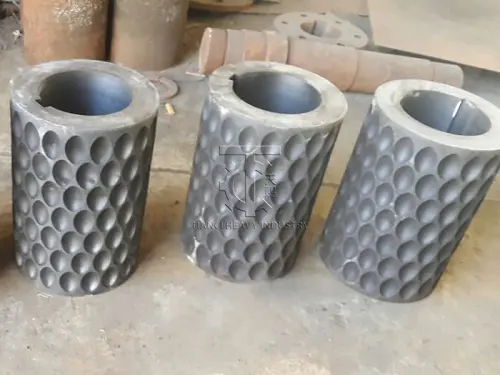
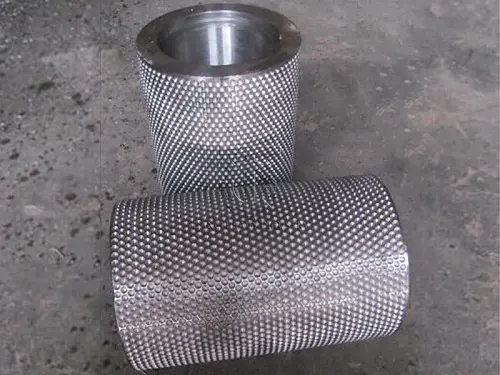
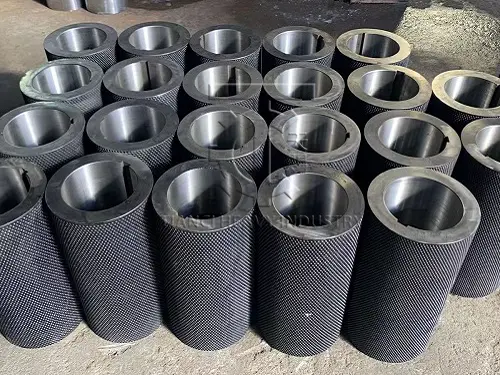
Therefore, truly reputable equipment suppliers do not promise a fixed service life but instead recommend the most suitable roller shell materials and maintenance plans based on the customer’s actual operating conditions. This is also a key factor in evaluating the long-term operating costs of the equipment.
Although double roller granulators are suitable for the vast majority of compound fertilizers and NPK formulations, not all materials are suitable for the dry extrusion process.
When raw materials have excessively high moisture content, excessive stickiness, or high fiber content, problems such as roll sticking, material blockages, and reduced granulation efficiency are likely to occur. For example, organic fertilizer raw materials that have not been sufficiently dried, high-moisture sludge, and long-fiber agricultural waste are better suited for wet granulation or specialized organic fertilizer granulation equipment rather than double roller granulators.
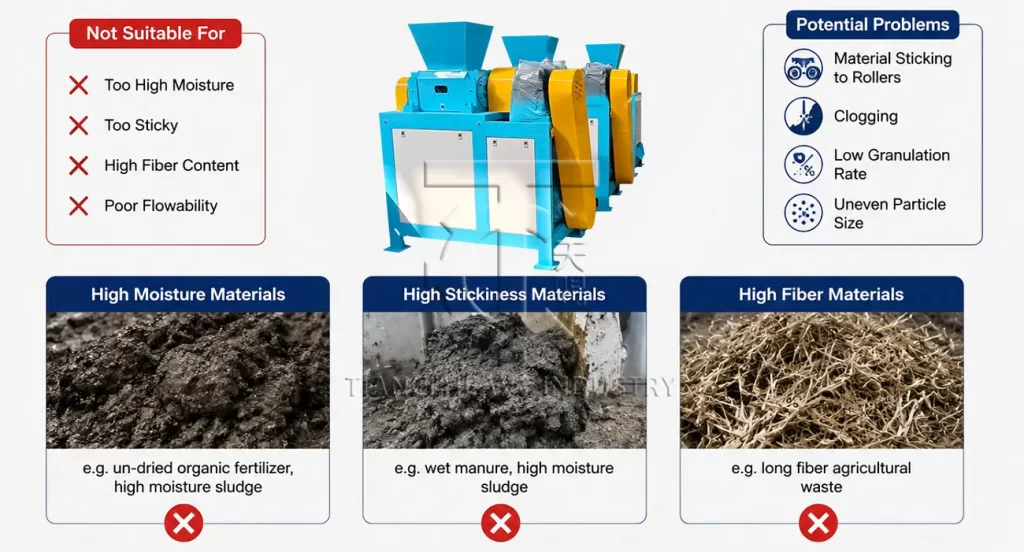
Therefore, during the equipment selection phase, a thorough evaluation of the raw material formulation, moisture content, particle size, and final product requirements is more valuable than simply comparing equipment prices. This is also why an increasing number of international buyers, when constructing compound fertilizer production lines, prefer to select equipment manufacturers capable of providing complete process design and formulation recommendations, rather than simply purchasing a single granulator.
In the production of compound and NPK fertilizers, the granulation process directly determines product appearance, granule strength, packaging efficiency, and subsequent market competitiveness. For most fertilizer companies, stable operation is more important than instantaneous output, as any single shutdown can disrupt continuous production across the entire line.
Take a 3 t/h NPK compound fertilizer production line as an example. The raw materials primarily include urea, diammonium phosphate (DAP), potassium chloride (KCl), and small amounts of micronutrients. The customer previously used standard dry granulation equipment, which suffered from issues such as a high recirculation rate, inconsistent particle size, and rapid wear on the roller shells. After upgrading to Tianci Heavy Industry’s DZJ Series Double Roller Granulator, production data improved significantly following optimization of equipment parameters and roller matching.
| Comparison Item | Original Equipment | Tianci Heavy Industry DZJ Series |
| Production Capacity | Approx. 2.8 t/h | 3.2 t/h |
| Granulation Rate | 88% ~ 90% | ≥95% |
| Return Material Ratio | 18% | ≤8% |
| Unit Energy Consumption | Relatively High | Reduced by approx. 12% |
| Particle Uniformity | Average | Significantly Improved |
| Roll Cover Maintenance Cycle | Relatively Short | Extended by more than approx. 30%* |
A lower recirculation rate means less material in circulation, reducing the load on the mixing system and resulting in more stable operation of the entire production line. At the same time, since the dry extrusion granulation process eliminates the need for steam granulation and high-temperature drying, energy consumption is further reduced, making it particularly suitable for regions with high electricity costs or insufficient steam supply.
For international buyers, equipment performance is only one aspect of the purchasing decision; more importantly, suppliers must demonstrate long-term delivery capability, a quality management system, and experience in providing overseas services.
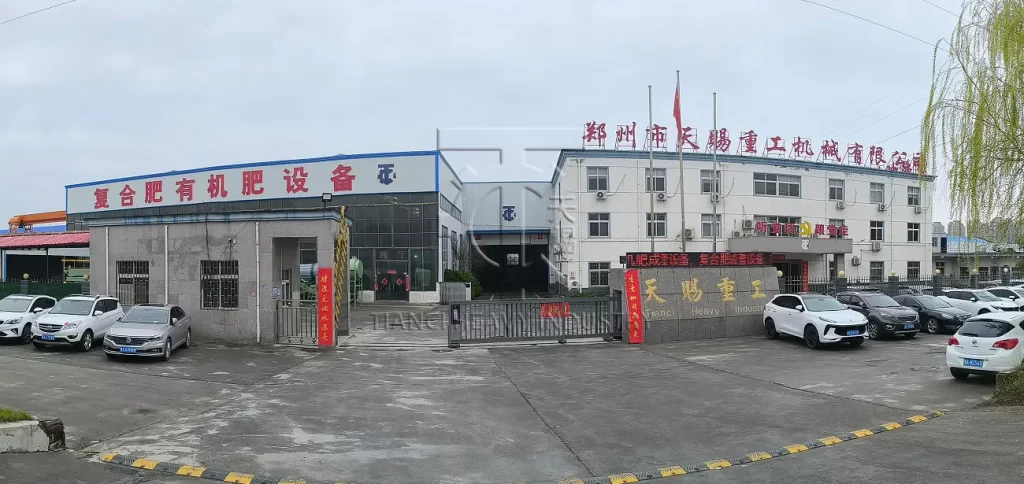
Zhengzhou Tianci Heavy Industry Machinery Co., Ltd., located in Renzhuang, Qiaolou Town, Xingyang City, Zhengzhou, Henan Province, specializes in the R&D, manufacturing, and turnkey construction of fertilizer production equipment. The company operates well-established machining workshops, welding production lines, assembly workshops, and complete machine testing processes, implementing strict quality control from raw material procurement through to equipment shipment.
Currently, the company’s products are widely used in projects such as compound fertilizer production lines, NPK fertilizer production lines, and organic fertilizer production lines, and it can provide DZJ series double-roller granulators in various specifications to meet customer needs.
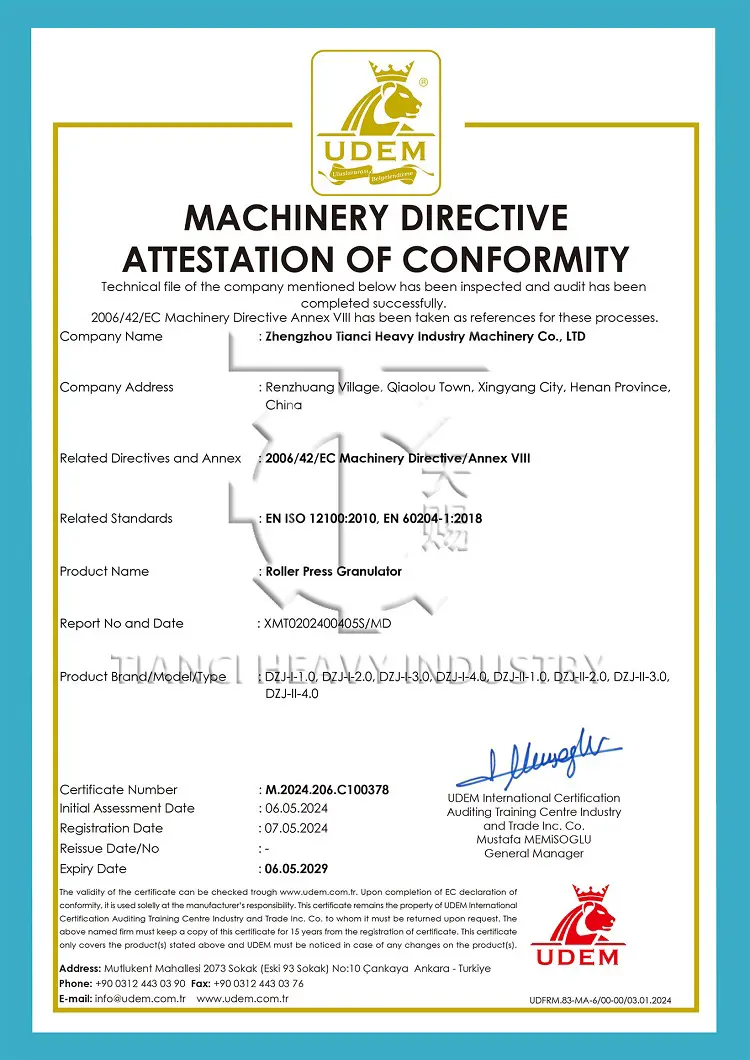
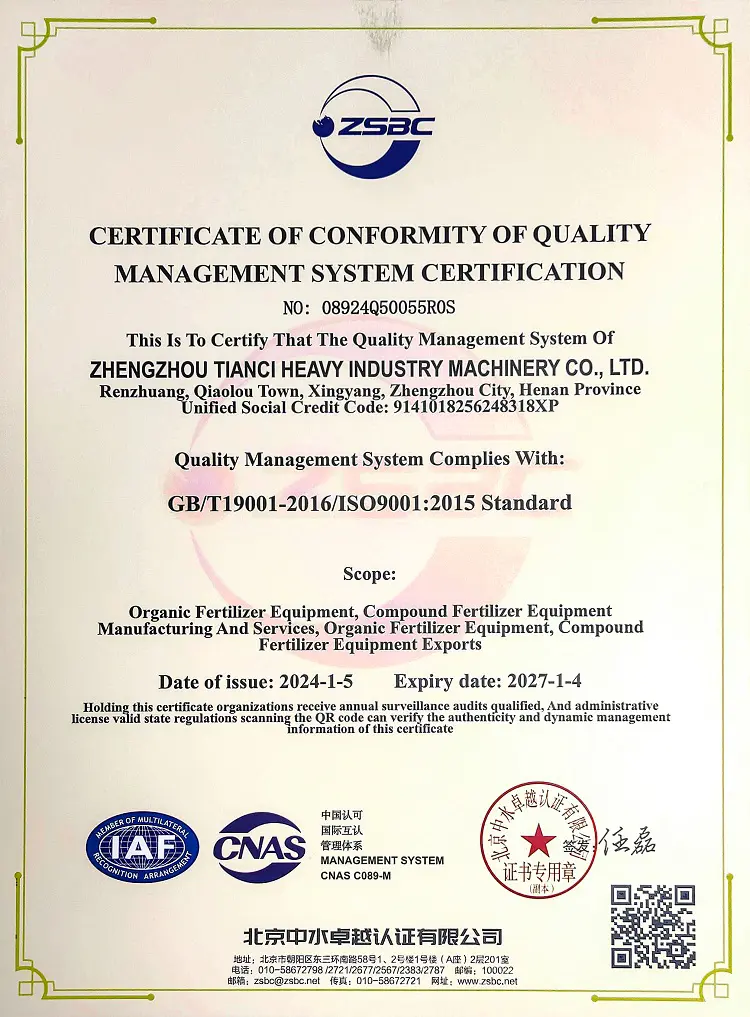
In terms of quality systems, the company’s products comply with CE standards, and it has established an ISO 9001 quality management system. Additionally, the company can provide international third-party testing or certification services—such as SGS, BV (Bureau Veritas), and TÜV—based on project requirements, offering support for overseas customers’ project acceptance and import customs clearance.
Regarding after-sales service, Tianci Heavy Industry offers:
For customers planning to build a complete compound fertilizer or NPK production line, this integrated service—ranging from equipment manufacturing to process support—can effectively reduce project implementation risks.
To avoid situations where the equipment fails to meet production requirements upon arrival at the plant, it is recommended that procurement managers specify the following details in the contract:
For compound fertilizer and NPK fertilizer manufacturers, a high-quality double roller granulator not only affects granule quality but also impacts the operational efficiency, energy consumption, and long-term maintenance costs of the entire production line. When purchasing, comprehensively evaluate equipment parameters, manufacturing processes, the ability to provide complete line solutions, and after-sales service, rather than using purchase price as the sole criterion.
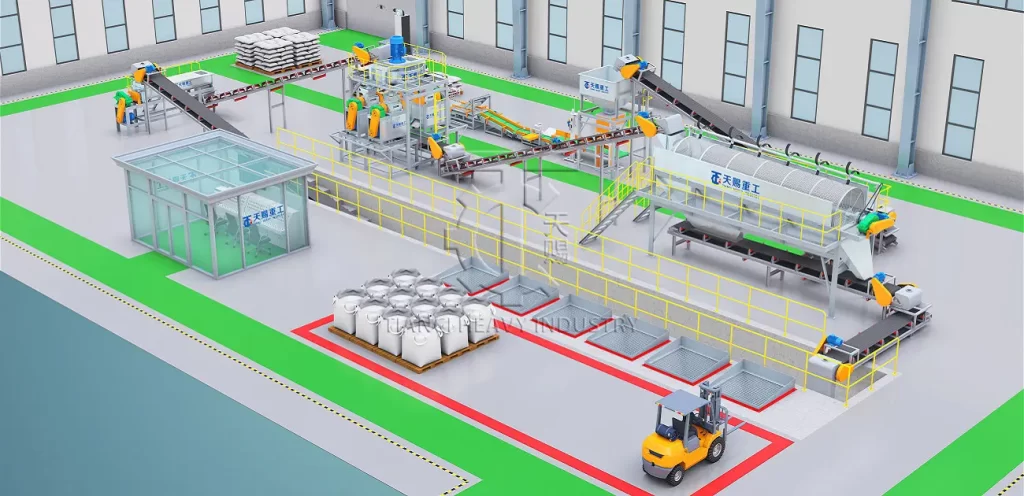
If you are planning a new Compound Fertilizer Production Line or NPK Fertilizer Production Line, the DZJ Series Double Roller Granulator offers a stable dry granulation solution and supports customization based on production capacity, formulations, and process requirements, helping enterprises achieve long-term, stable, and efficient fertilizer production.
It is suitable for the dry granulation production of compound fertilizers, NPK fertilizers, potash fertilizers, and those using urea, potassium chloride, potassium sulfate, and diammonium phosphate as primary raw materials.
Generally, no. Dry extrusion granulation uses mechanical pressure for direct shaping. Provided the moisture content of the raw materials meets the requirements, the steam granulation and drying steps can be omitted, thereby reducing energy consumption and investment costs.
Maintaining appropriate raw material particle size and moisture content, avoiding contamination with metal impurities, adjusting the roller gap according to equipment specifications, and regularly inspecting roller shell wear all help extend service life.
High-pressure roller compression molding produces uniform, high-strength granules. By adjusting die specifications, different particle size requirements can be met, reducing material rework and improving fertilizer quality.
Yes, it is. The equipment features a compact design, requires minimal floor space, involves low investment costs, and is simple to operate and maintain. It enables stable, continuous production and is particularly suitable for small and medium-sized fertilizer plants.
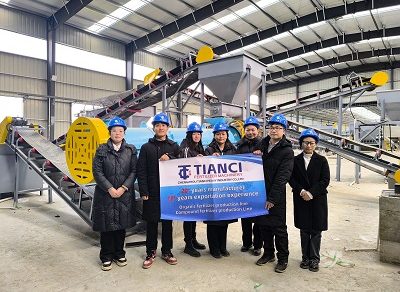
Vietnam Growtech Expo 2024-our booth B2-L18
What is the best raw material for organic fertilizer?