Time: 05 Mar 2026
Author: Tianci Sales Team
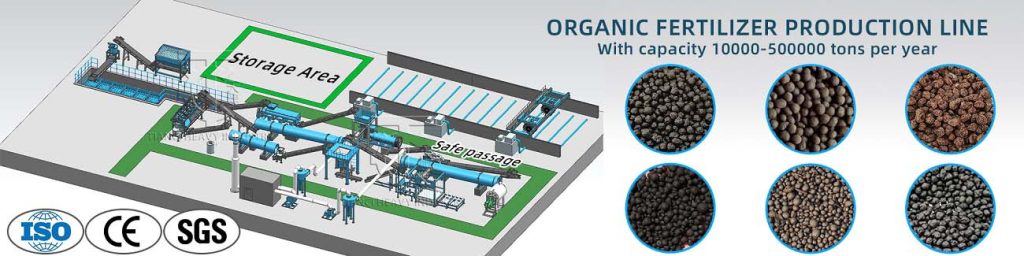
In recent years, an increasing number of livestock farms, organic fertilizer plants, and compound fertilizer companies have begun planning fertilizer processing projects. However, when it comes to actual implementation, many clients encounter the same problem: while the equipment may look similar at first glance, they often find it “unsuitable for their needs” once production begins.
For some, raw materials have excessively high moisture content, leading to consistently poor granule formation; for others, limited space results in a disorganized production line layout; and for still others, while the equipment may be inexpensive initially, it suffers from severe wear and tear, high energy consumption, and frequent maintenance down the line. For many first-time fertilizer production line clients, the greatest challenge isn’t purchasing the equipment, but rather determining “which equipment truly suits their specific raw materials and production capacity.”
As a company with over 20 years of experience in fertilizer equipment manufacturing, Zhengzhou Tianci Heavy Industry Machinery Co., Ltd. has discovered through practical project experience that there is no “one-size-fits-all” solution for fertilizer equipment. A truly mature production line must be comprehensively designed based on factors such as raw materials, formulations, production capacity, site conditions, and climate.
For example, in organic fertilizer projects, the requirements for equipment vary significantly depending on the raw materials. High-moisture materials such as chicken manure, cow manure, and sheep manure place a greater demand on the stability of the fermentation system and turning equipment; whereas materials like sludge, microbial residue, and straw require higher standards for crushing, mixing, and subsequent granulation processes. If the initial process configuration is not properly matched, issues such as uneven fermentation, poor pellet strength, and high return rates are likely to arise later on.
Over the years, Tianci Heavy Industry has consistently adhered to the service philosophy of “understanding the raw materials first, then recommending equipment.” When clients initially consult, our technical team first thoroughly understands the raw material type, moisture content, daily output, target particle size, and site dimensions before developing a solution tailored to actual needs—rather than simply recommending a specific piece of equipment.
In the fermentation stage, turning equipment often determines the efficiency and stability of the entire organic fertilizer production process. For projects of varying scales, Tianci Heavy Industry offers a range of equipment solutions, including crawler type compost turner, chain plate type compost turner, groove type compost turner, and vertical fermentation tanks. For the continuous processing needs of large-scale livestock farms, chain plate type compost turner equipment is better suited for high-throughput operations; whereas for projects with limited space or stringent environmental requirements, vertical fermentation tanks can effectively shorten the fermentation cycle and reduce odor dispersion.
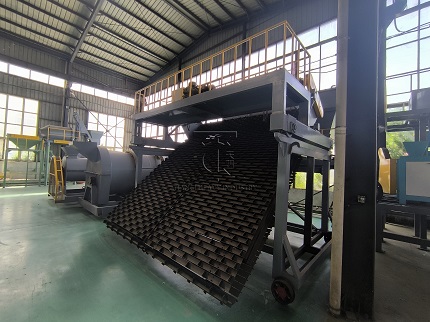
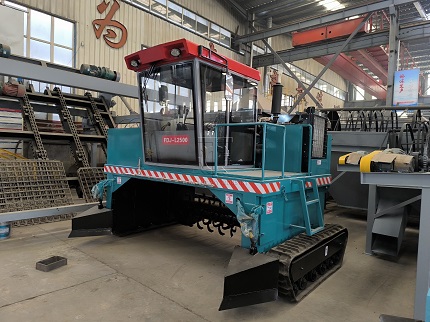
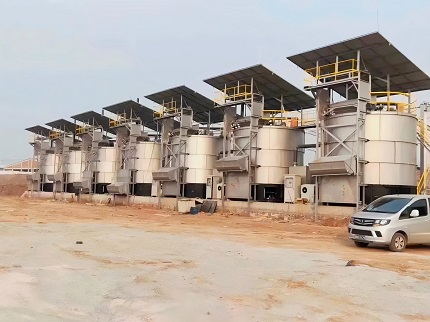
After actual use, many customers’ most immediate impression is not “how complex the equipment is,” but rather whether it operates stably and requires minimal maintenance. This is especially true for turning equipment: if the bearings, corrosion-resistant structures, or wear-resistant components are subpar, breakdowns and downtime are likely to occur before long. In manufacturing, Tianci Heavy Industry prioritizes long-term wear resistance and stability, minimizing the frequency of maintenance through optimized structural design and material processes.
In fertilizer production lines, the granulation stage is the absolute core. Different raw materials and fertilizer types require completely different granulation methods.
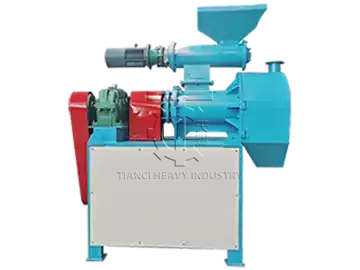
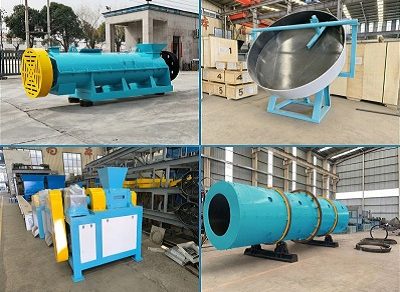
For example, double roller granulators are better suited for dry granulation scenarios such as compound fertilizers, organic fertilizers, and mineral powders. The equipment requires no drying, involves relatively low investment, and is suitable for some small and medium-sized projects; disc granulators, on the other hand, are more suitable for wet granulation of organic fertilizers and are frequently used in projects with high requirements for particle roundness; organic fertilizer granulators demonstrate strong adaptability to post-fermentation organic fertilizer raw materials and achieve high granulation rates, making them commonly used in organic fertilizer production lines; drum granulators, on the other hand, are suitable for high-capacity continuous production.
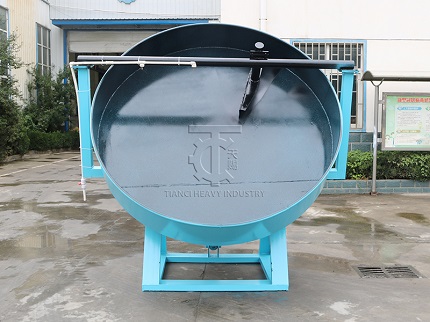
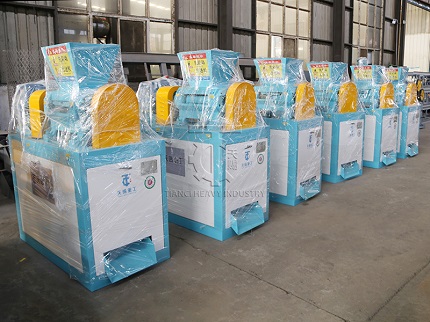
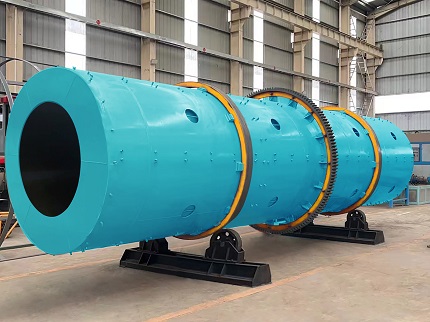
A common pitfall many clients have fallen into in the past is “focusing solely on equipment price without considering overall process compatibility.” In reality, even with the same type of granulator, the final granule quality can vary significantly depending on different formulations, moisture levels, and fiber content. The core value of the extensive project experience Tianci Heavy Industry has accumulated over the years lies in helping customers minimize trial-and-error costs.
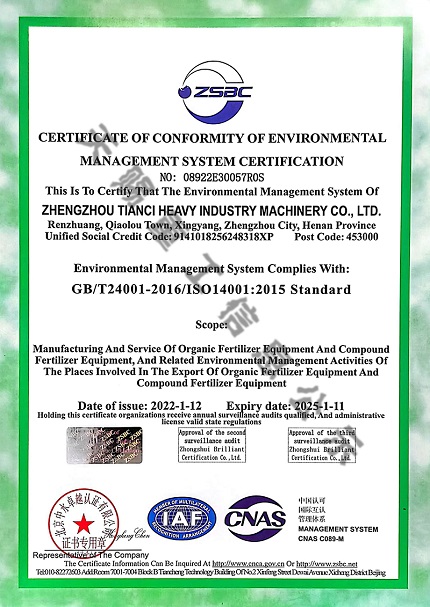
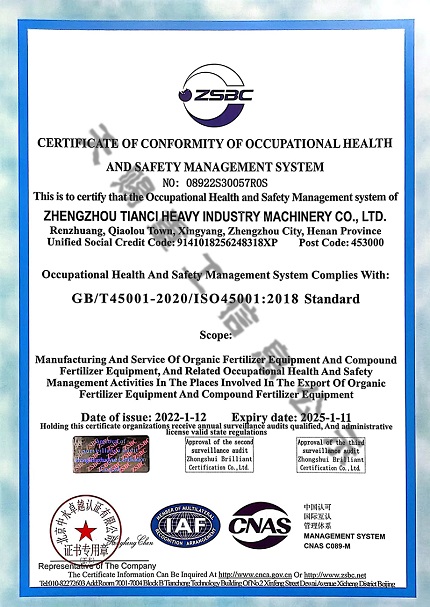
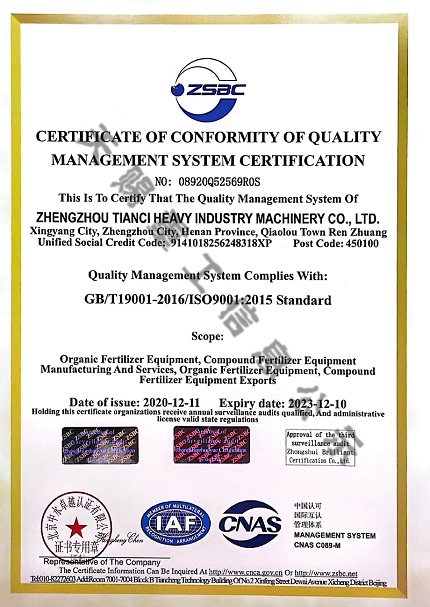
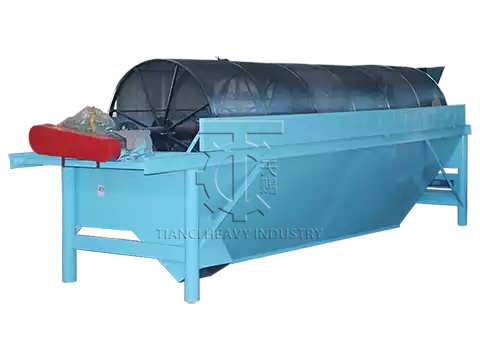
Currently, Tianci Heavy Industry has obtained certifications for the Quality Management System (ISO 9001:2015), the Environmental Management System, and the Occupational Health and Safety Management System, and holds more than 20 utility model patents for equipment such as granulators, compost turners, crushers, dryers, and screeners. The company not only has dedicated R&D and production teams but also maintains installation and overseas after-sales service teams, providing clients with one-stop services ranging from solution design to equipment commissioning.
To date, our products have been sold to over 50 countries worldwide, including Africa, South America, the Middle East, and Southeast Asia, and we have successfully completed more than 500 projects. For many of these overseas clients, primary concerns extend beyond the equipment itself to include whether production can be maintained stably, ease of maintenance, and the timeliness of technical support. This is also a key reason why many clients continue to partner with us over the long term.
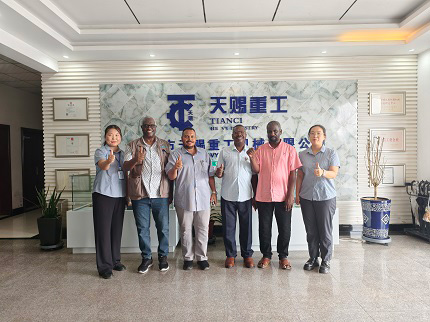
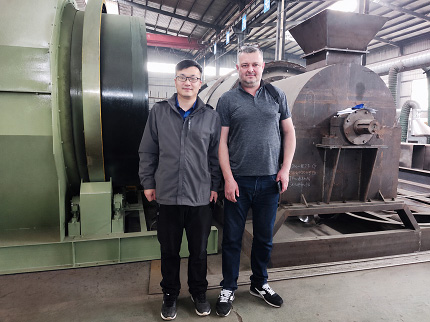
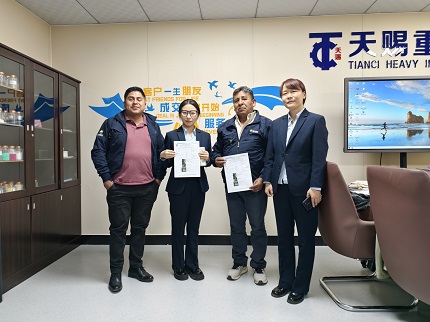
Today, competition in the fertilizer industry is intensifying. Equipment is no longer simply about “being able to produce”; factors such as energy consumption, stability, labor costs, and operational efficiency must also be considered. For companies planning to build new fertilizer plants or upgrade existing production lines, finding an equipment manufacturer that truly understands the process, raw materials, and on-site implementation is often more important than simply comparing prices.
Over the years, Zhengzhou Tianci Heavy Industry Machinery Co., Ltd. has remained dedicated to one goal: providing fertilizer equipment and production line solutions that are best suited for practical implementation based on customers’ actual needs. For many clients, high-quality equipment is not merely a machine; it is the cornerstone of stable production and long-term profitability.
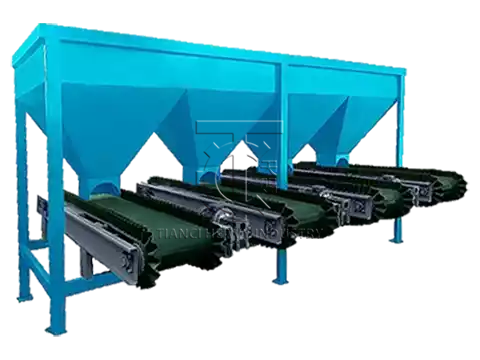
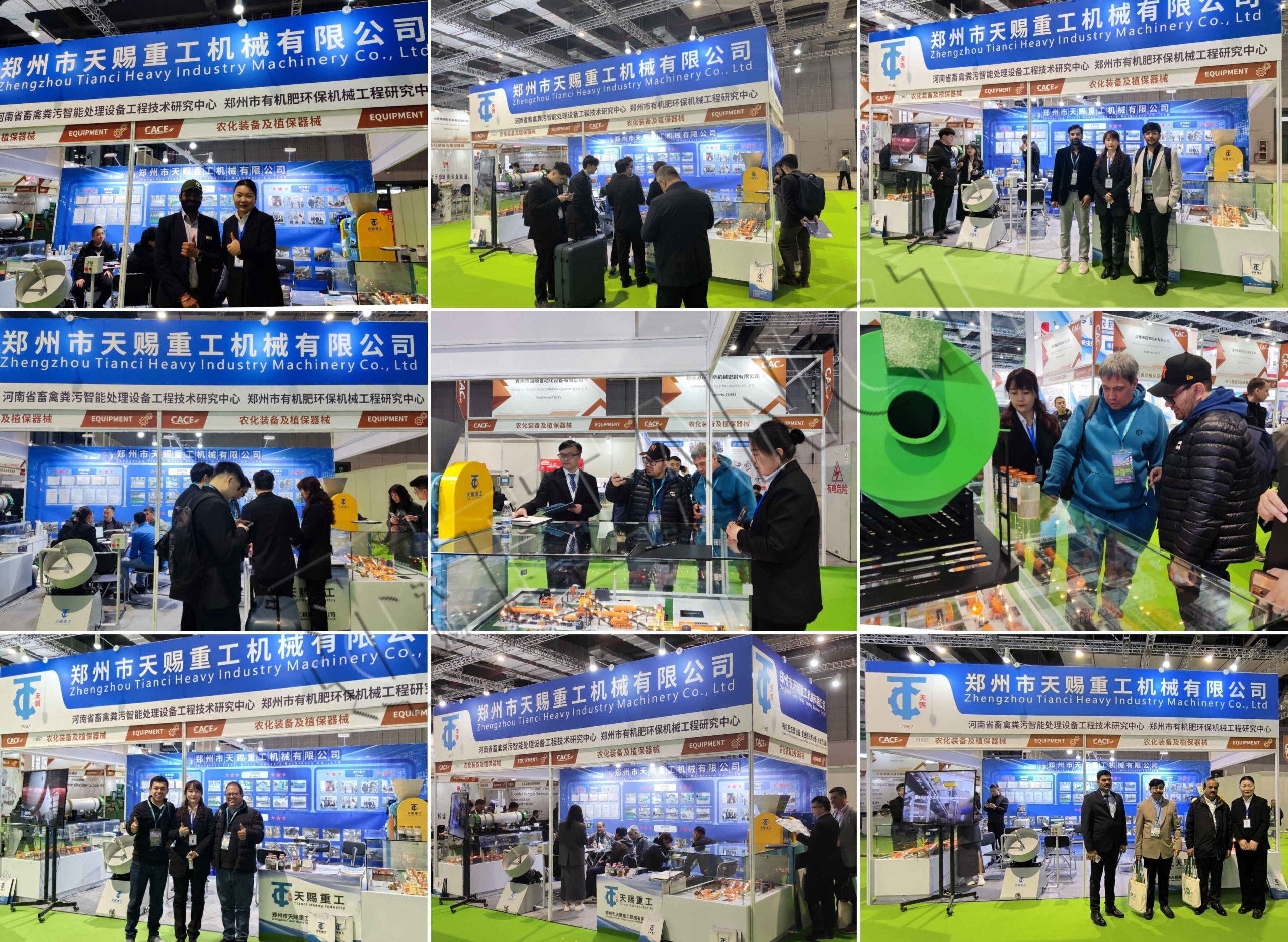
Tianci Fertilizer Machinery at 2025 Shanghai CAC Expo – Visit Our Booth No. 82B49!