Time: 05 Aug 2026
Author: Tianci Sales Team
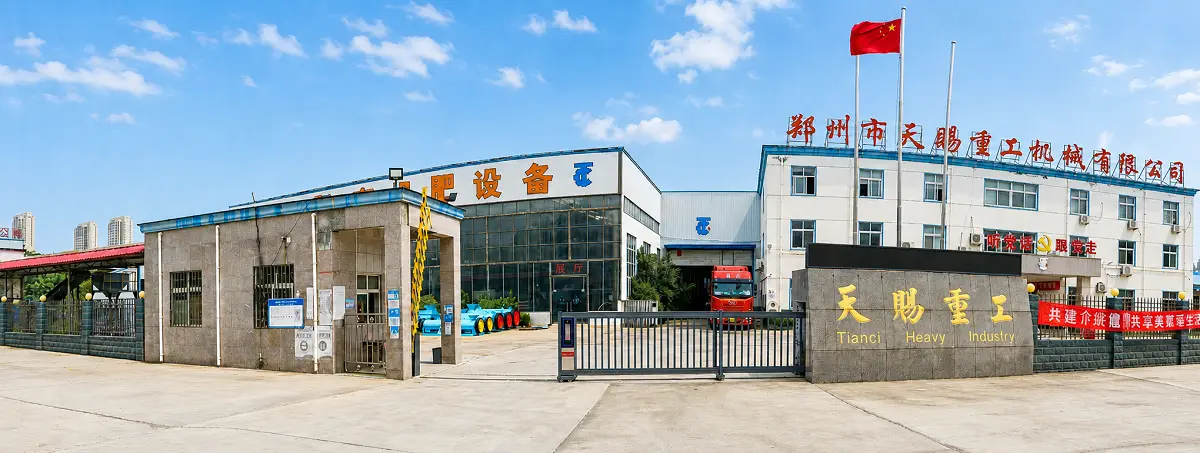
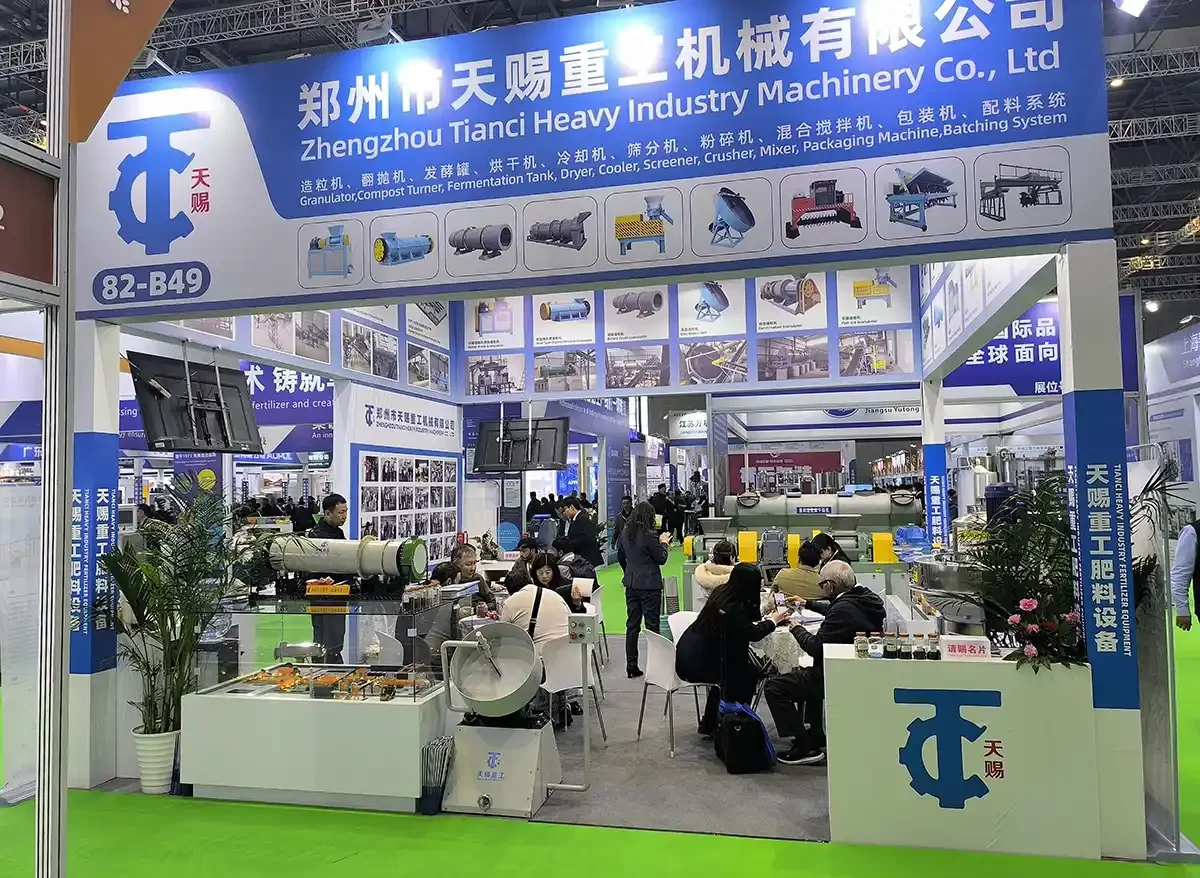
Zhengzhou Tianci Heavy Industry Machinery Co., Ltd. is a company specializing in the R&D and manufacturing of fertilizer production equipment and providing turnkey solutions. Founded in 2000—with its predecessor factory established in 1995—the company’s production base is located in Xingyang City, Zhengzhou, Henan Province, China. With over two decades of technical expertise, we provide process design, equipment manufacturing, installation and commissioning, operator training, and after-sales support for organic fertilizer plants, compound fertilizer plants, NPK fertilizer plants, livestock and poultry farms, and agricultural waste treatment projects.
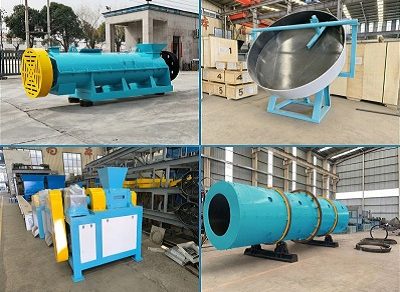
The granulator is the core equipment of a fertilizer production line, and its selection directly impacts granulation yield, particle shape, production capacity, energy consumption, and equipment investment. Depending on the raw materials, formulations, and production scale, Tianci Heavy Industry primarily offers double roller granulators, drum granulators, disc granulators, organic fertilizer granulators, flat die pelletizers, and ring die pelletizers. Below, we will introduce the features and applicable scenarios of these six types of fertilizer granulators.
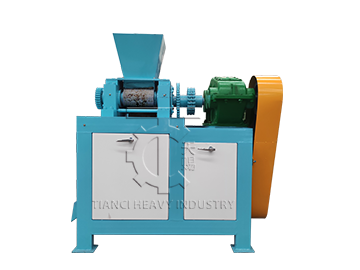
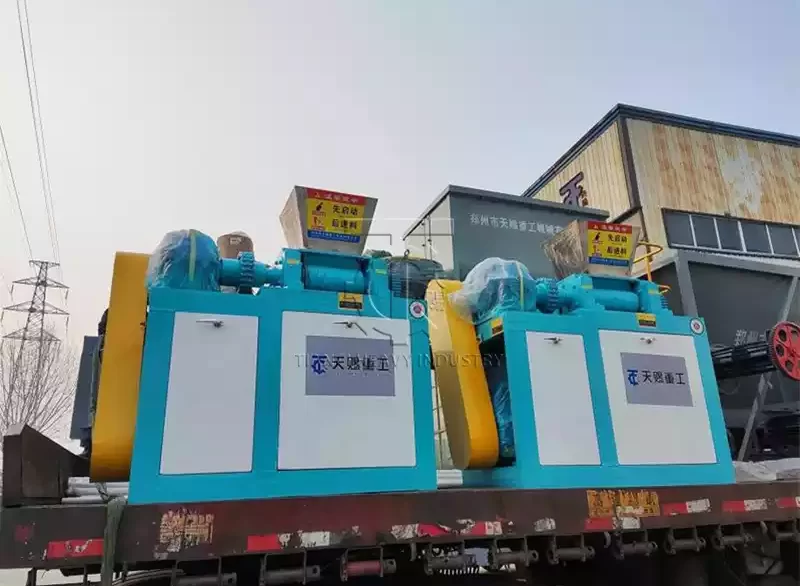
The double roller granulator is primarily used for granulating powdered raw materials such as urea, monoammonium phosphate, diammonium phosphate, potassium chloride, potassium sulfate, ammonium sulfate, humic acid, and other compound fertilizers. The equipment uses two counter-rotating rollers to compress the material, causing the powder to form flakes under high pressure. These flakes are then crushed, sized, and screened to produce granules ranging from 2 to 10 millimeters in diameter.
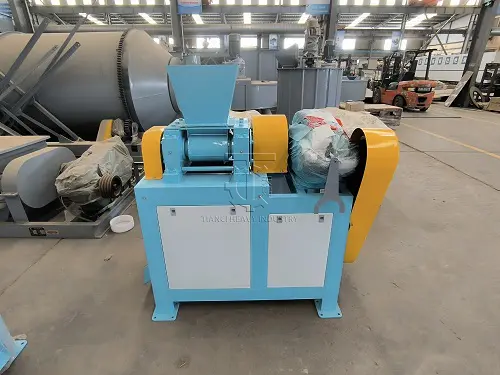
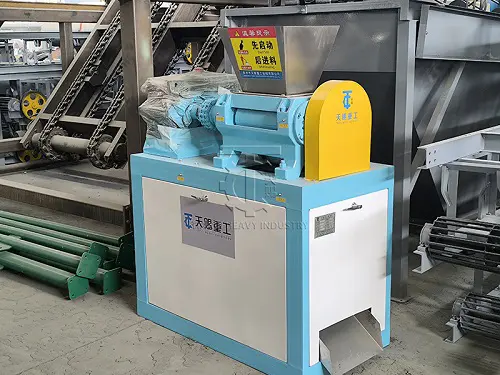
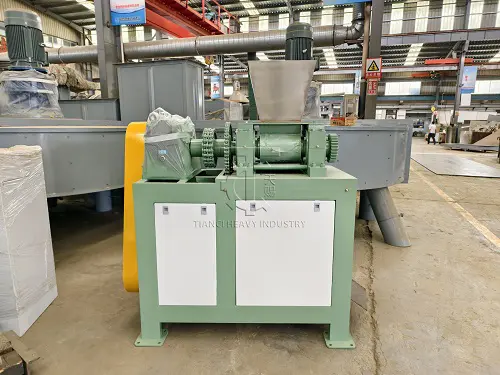
This equipment employs a dry extrusion process, typically requiring no significant addition of water and eliminating the need for dryers or coolers. It features a short process flow, low energy consumption, a small footprint, and relatively low capital investment. The typical output of a single unit is approximately 1–5 t/h, and the entire double roller granulation production line can be configured to handle 1–10 t/h as needed, making it suitable for small- to medium-sized NPK compound fertilizer plants and multi-formula fertilizer processing projects.
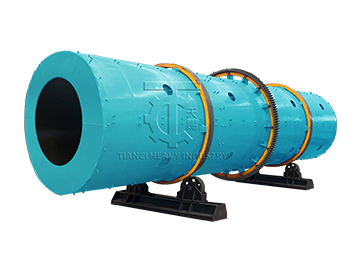
The drum granulator employs a wet granulation process. Material continuously tumbles within an inclined, rotating drum; through the injection of water, steam, or an appropriate amount of binder, fine powders gradually agglomerate to form granules. The equipment can process NPK compound fertilizers, organic-inorganic compound fertilizers, and certain organic fertilizer raw materials, with the finished product typically having a particle size of 2–10 mm.
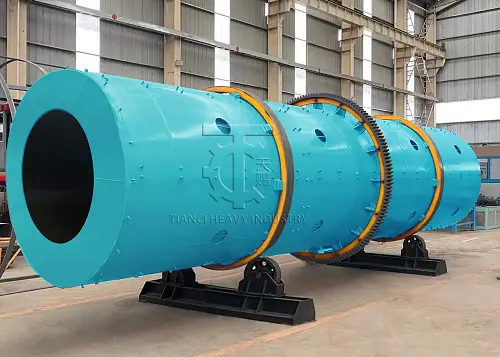
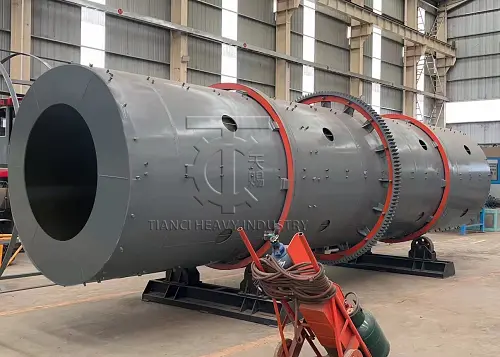
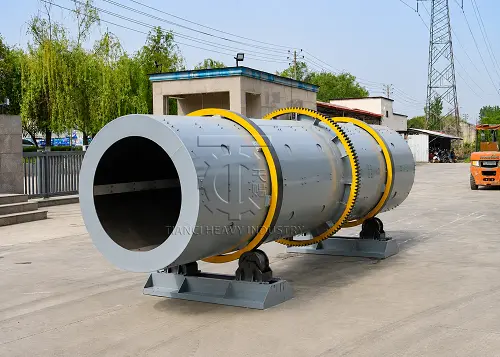
Drum granulators offer advantages such as high processing capacity, strong continuity, stable operation, and high granule strength. The output of a single unit is generally 1–10 t/h; when used in large-scale NPK or compound fertilizer production lines, the total line capacity can reach 3–20 t/h. After wet granulation, it is typically necessary to configure a drum dryer, drum cooler, screen, and coating machine; this method is suitable for fertilizer enterprises with high demands for output, automation, and long-term continuous operation.
A disc granulator consists of an inclined granulation disc, a drive system, a scraper mechanism, and a liquid spray system. The mixed powdered material enters the disc, where it continuously rolls under the action of the disc’s rotation and centrifugal force. At the same time, an appropriate amount of water or binder is sprayed onto the material, gradually forming rounded granules.
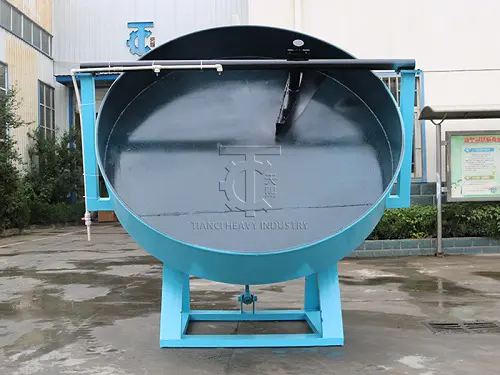
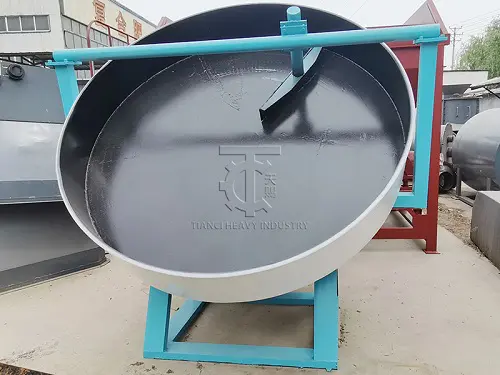
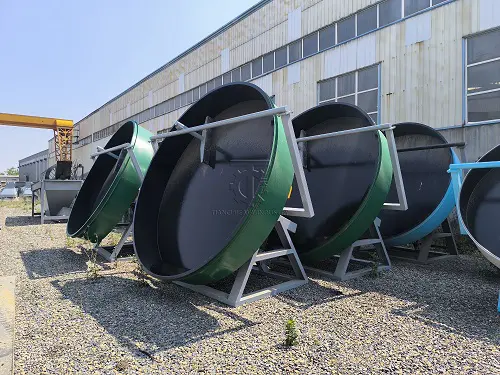
The angle, rotational speed, feed rate, and water spray volume of the disc granulator are all adjustable. Operators can visually observe the granulation process, making it easy to control particle size. The equipment typically has a production capacity of 0.5–8 t/h, with finished granule sizes ranging from approximately 2 to 10 millimeters. It can be used for granulating organic fertilizers, compound fertilizers, NPK fertilizers, bentonite, and certain mineral powders. This equipment is particularly suitable for small- and medium-sized fertilizer plants, multi-formula production, and projects requiring flexible adjustment of granule specifications.
The organic fertilizer granulator, also known as the stirring tooth Granulator, is primarily used for fermented and matured organic materials such as chicken manure, cow manure, pig manure, sheep manure, fungal residue, straw, sludge, distillers’ grains, and oilseed meal. The equipment utilizes high-speed mechanical agitation and internal aerodynamic forces to continuously mix and collide the materials, thereby forming granules.
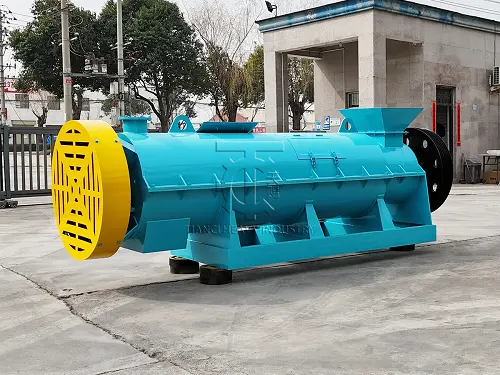
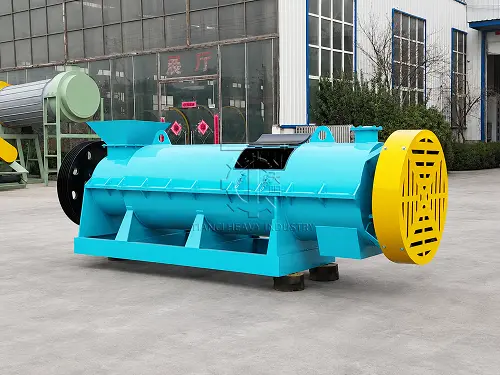
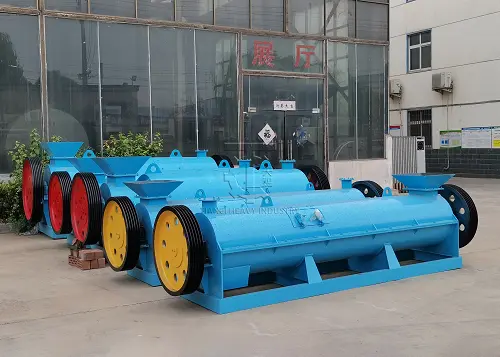
Compared to traditional disc granulators, organic fertilizer granulators are better suited for materials with high organic content, high fiber content, and a certain degree of stickiness. Typical production capacities range from 1 to 8 t/h, with finished granules generally measuring 2–8 millimeters in diameter. Under appropriate conditions regarding moisture content, particle fineness, and formulation, the granulation efficiency can exceed 90%. Depending on customer requirements for granule roundness, additional equipment such as rounding machines, dryers, screeners, and coating systems can be incorporated.
Flat die pelletizers use pressure rollers to force material through the apertures of a flat die, after which a cutting blade cuts the extruded strands into cylindrical pellets of a specific length. This equipment is suitable for processing well-decomposed livestock and poultry manure, straw powder, fungal residue, peat, wood chips, and other fibrous organic raw materials; it can also be used for processing certain types of biomass and feed pellets.
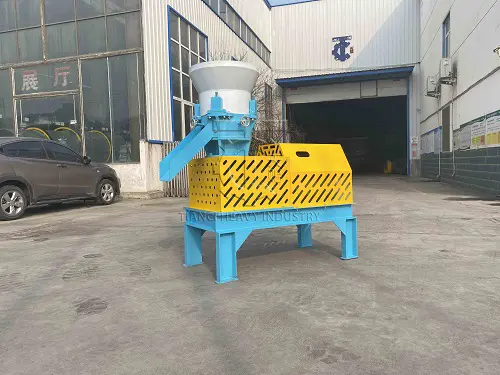
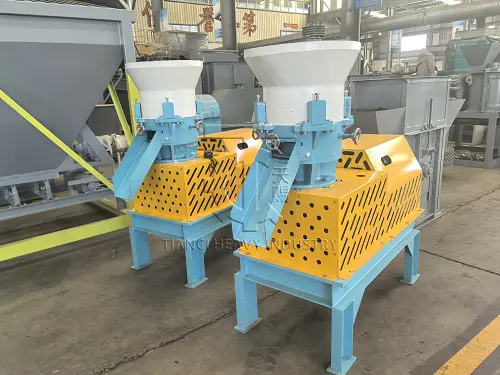
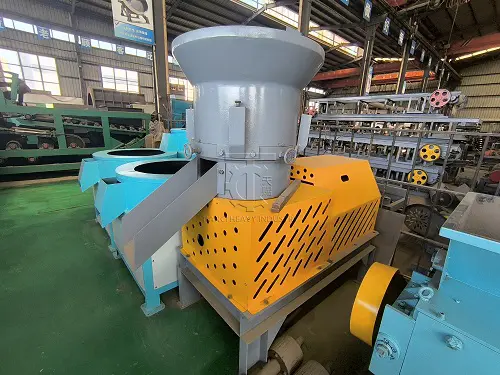
Flat die pelletizers feature a compact design, simple operation, and easy maintenance, with typical production rates of approximately 1–5 t/h. By replacing dies with different pore sizes, the pellet diameter and length can be adjusted. Since the pellets are produced through mechanical extrusion, they have a high density, making them easy to package, store, and transport. They are suitable for small-scale organic fertilizer plants, manure resource utilization at livestock farms, and multi-purpose pellet processing projects.
Ring die pelletizers utilize a ring-shaped die and press roller structure. After entering the pelletizing chamber, conditioned material is continuously extruded into the holes of the ring die by the press rollers and then cut into cylindrical pellets by a cutting blade. This equipment can process organic fertilizer, livestock and poultry manure, straw, grass meal, rice husks, wood chips, and certain feed and biomass raw materials.
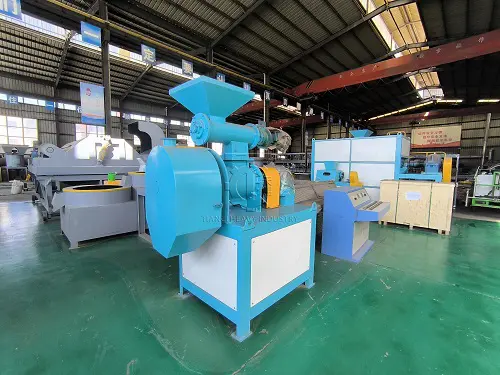
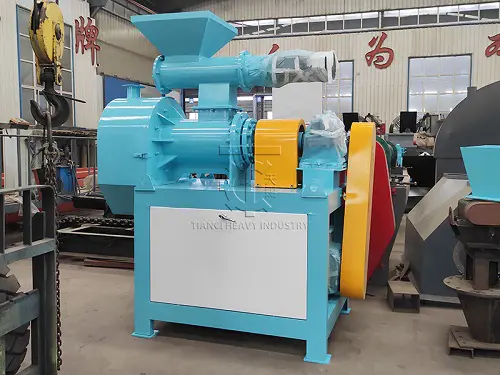
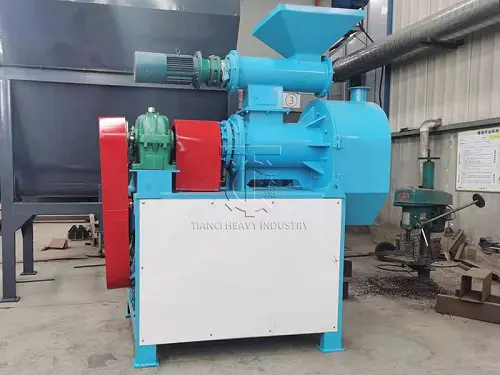
Ring die pelletizers typically have an output of 1–15 t/h. They are characterized by high production capacity, continuous extrusion, high pellet density, and consistent finished product specifications, making them suitable for medium- to large-scale organic fertilizer and pellet processing projects. In actual production, the ring-die aperture, compression ratio, motor power, and conditioning equipment must be selected based on the raw material’s fiber content, moisture content, fineness, and target particle size to minimize die clogging and die wear.
When selecting a fertilizer granulator, one should not merely compare price and output; a comprehensive analysis of raw material type, moisture content, cohesiveness, organic matter content, target granule/pellet shape, production scale, plant floor space, and energy conditions is also necessary. For low-energy-consumption dry granulation of NPK and compound fertilizer powders, a double roller granulator is recommended; drum granulators are suitable for medium- to large-scale continuous wet granulation projects; disc granulators are suitable for small- to medium-scale projects and those with multiple formulations; well-decomposed materials with high organic matter content are best suited for organic fertilizer granulators; for projects involving fibrous raw materials or cylindrical pellets, flat-die or ring-die pelletizers are recommended.
Tianci Heavy Industry has over two decades of experience in manufacturing fertilizer equipment. Based on customer needs, we can provide a complete range of equipment—including crushers, mixers, automatic batching systems, dryers, coolers, screeners, coating machines, and packaging machines—to assemble a comprehensive production line for organic fertilizer, NPK compound fertilizer, or granular fertilizer. Our equipment has been deployed in markets across Asia, Africa, the Middle East, South America, Europe, and Australia. We provide process planning, equipment selection, plant layout design, manufacturing and shipping, installation and commissioning, operator training, and spare parts support.
Please provide us with your raw material types, target output, site size, and formulation requirements, and our engineers will provide you with a free, customized fertilizer production solution.
High-Efficiency Brown Coal Pelletizing: A Comprehensive Guide to Ball Press Machine Production Line