Usage: The production of compound fertilizer granules Production capacity: 3-20t/h Raw materials: urea, ammonium sulfate, monoammonium phosphate, diammonium phosphate, potassium chloride, potassium sulfate, ammonium chloride, and humic acid Granular Shape: Ball type
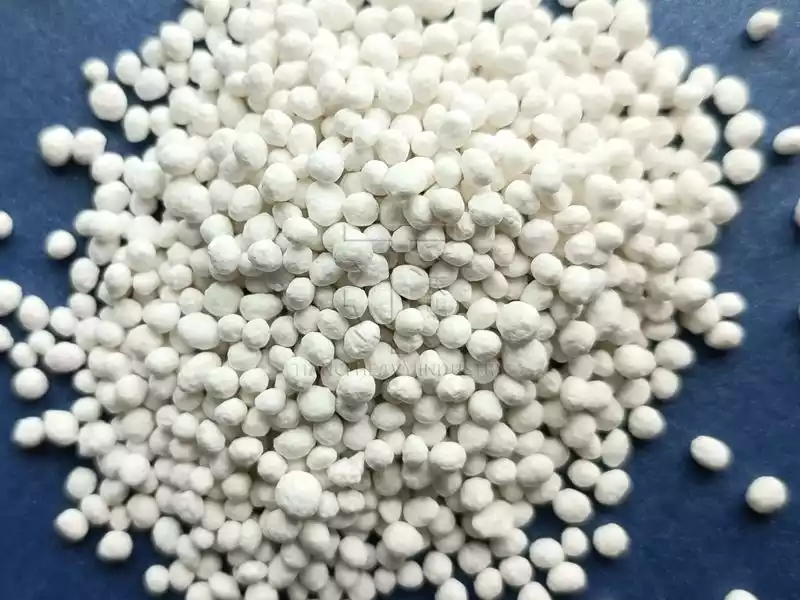
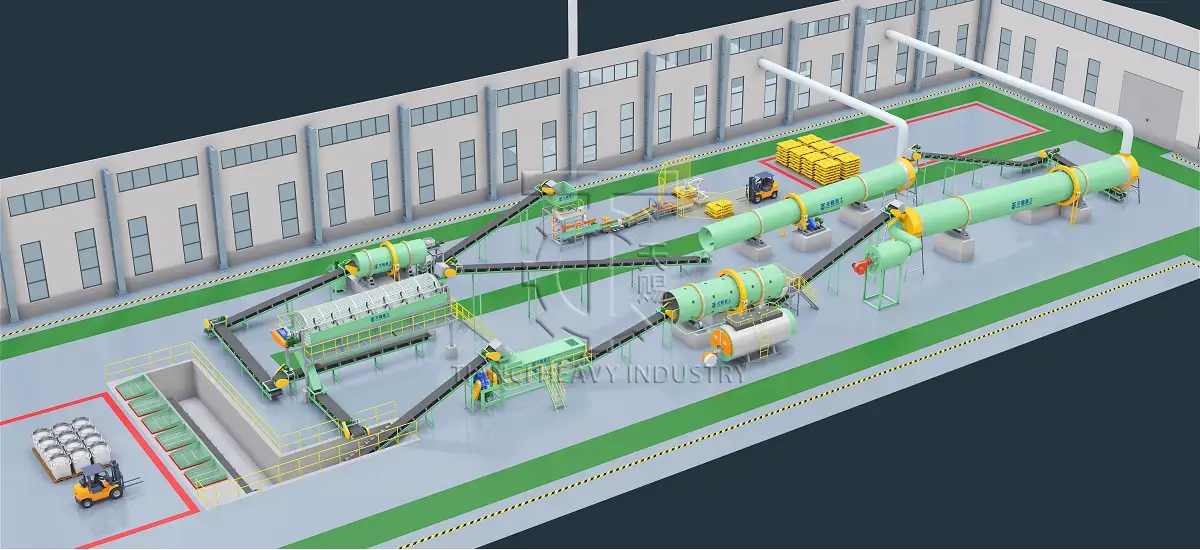
The compound fertilizer production line is an automated production line specifically designed for the large-scale production of compound fertilizer. It is suitable for projects with an annual production capacity ranging from tens of thousands to hundreds of thousands of metric tons of compound fertilizer. This production line can be widely applied to a variety of raw materials, including urea, ammonium sulfate, monoammonium phosphate, diammonium phosphate, potassium chloride, potassium sulfate, ammonium chloride, and humic acid. It also allows for the addition of trace elements such as zinc, boron, iron, and magnesium according to formulation requirements, enabling the continuous production of compound fertilizers with diverse formulations. The entire production process includes raw material blending, grinding, mixing, drum granulation, drying, cooling, screening, coating, and packaging. It produces high-quality spherical fertilizer granules with a particle size of 2–10 mm and a granulation rate of over 90%. If you require a compound fertilizer production line with small to medium capacity, please review our double roller extrusion type NPK production line.
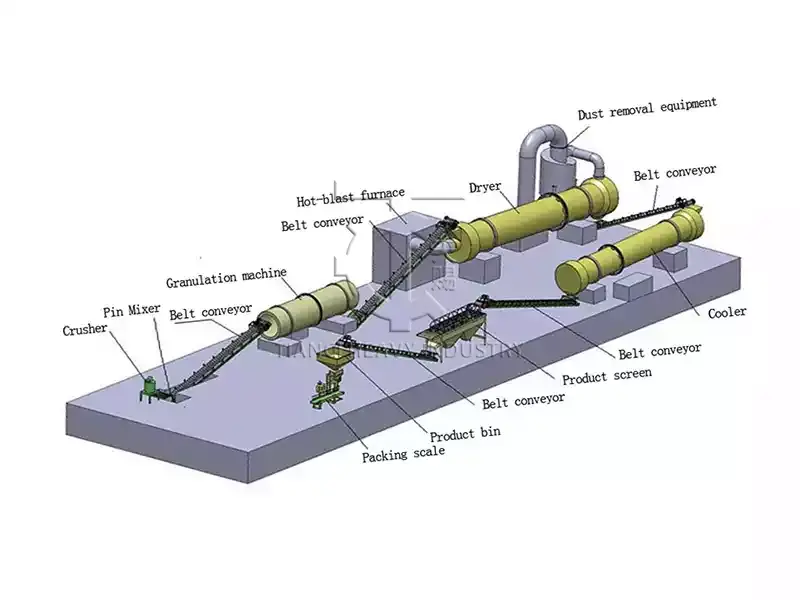
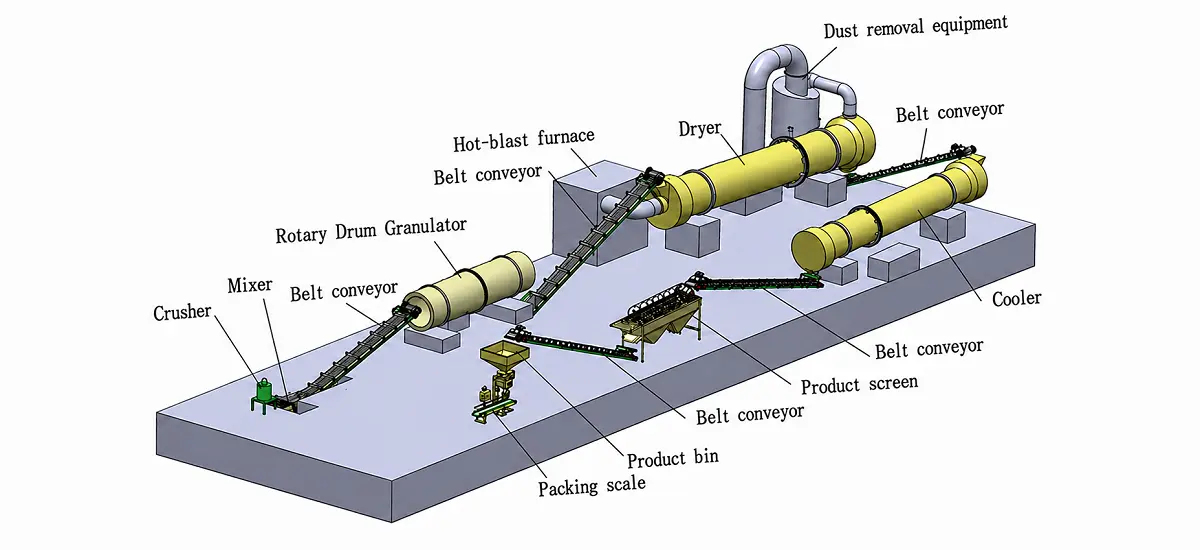
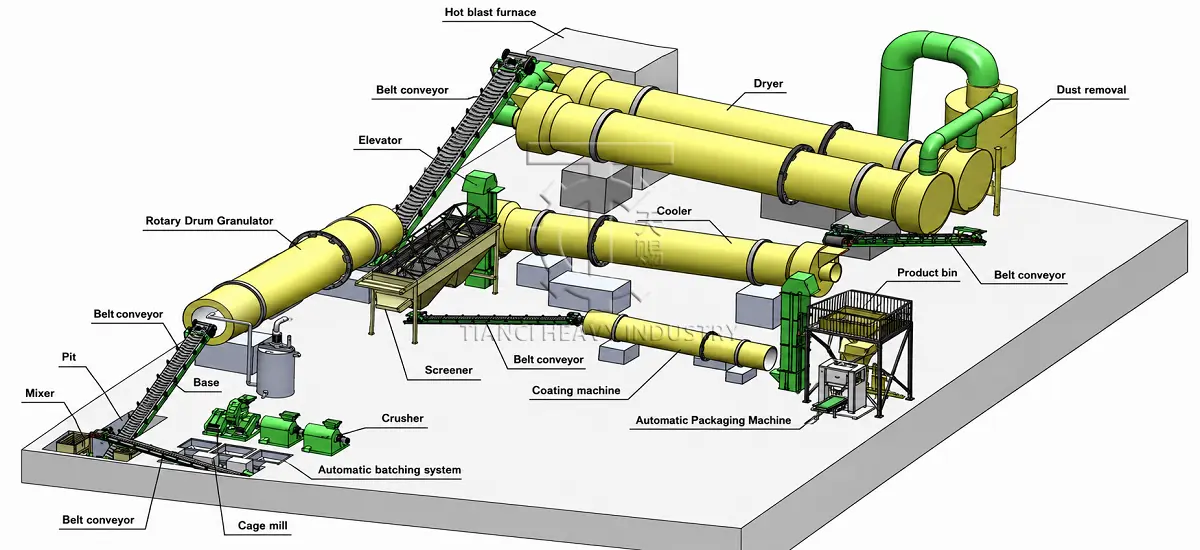
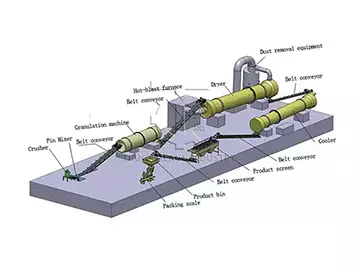
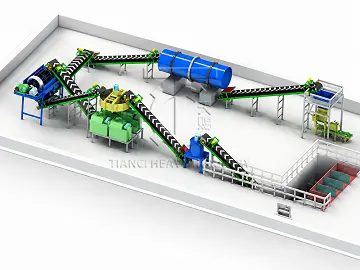
The compound fertilizer production line employs a mature and stable wet granulation process. After automatic batching, grinding, and mixing, the material enters the drum granulator, where steam, moisture, and the material interact to form uniform granules. The granules then sequentially undergo drying, cooling, screening, coating (optional), and automatic packaging, ultimately yielding the finished compound fertilizer. The complete production line typically includes equipment such as an automatic batching system, a crusher, a mixer, a drum granulator, a drum screen, a dryer, a cooler, a coating machine, and a packaging machine. With a production capacity ranging from 3 to 20 metric tons per hour, it offers advantages such as high throughput, a high degree of automation, high production efficiency, stable equipment operation, flexible formulation adjustments, and round, uniform granules, making it suitable for continuous, large-scale production needs.
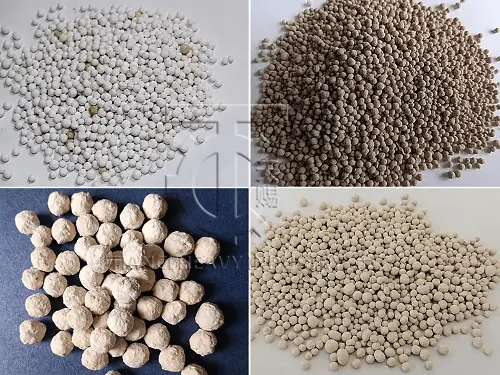
Compound fertilizers produced using this production line feature regular spherical granules with high strength, excellent transportability, and resistance to breakage, as well as uniform nutrient distribution. The ratios of nitrogen, phosphorus, potassium, and trace elements can be flexibly adjusted to meet the specific needs of different crops and soils, resulting in compound fertilizer products with balanced nutrition and consistent quality. This production line is widely applicable to large-scale compound fertilizer manufacturers, large NPK fertilizer processing plants, chemical fertilizer manufacturers, and new or expanded fertilizer production projects. Tell us your raw material types, target output, and formulation requirements, and our engineers will provide you with a free, customized compound fertilizer production solution.
Advantages
1. High-Capacity Continuous Production The compound fertilizer production line employs a continuous production process. A single unit can achieve a production capacity of 3–20 metric tons per hour, meeting the long-term, stable production needs of large-scale compound fertilizer enterprises. The entire line operates seamlessly, ensuring high production efficiency, effectively reducing labor costs, and increasing the enterprise’s overall output and economic benefits.
2. Round, High-Quality Granules Utilizing the wet drum granulation process, the resulting fertilizer granules are round, plump, and uniform in size, with a granulation yield exceeding 90%. The granules are highly robust, resistant to pulverization and breakage, and withstand transportation and storage well, meeting market demand for high-quality compound fertilizer products.
3. High Degree of Automation The entire production line is equipped with automated systems for batching, conveying, granulation, screening, drying, cooling, coating, and packaging, enabling automated continuous production. PLC-based intelligent control reduces manual intervention, enhances production stability, and simultaneously lowers operational complexity and equipment running costs.
4. Flexible Formulations with Broad Applicability The production line can flexibly adjust the ratios of nitrogen, phosphorus, and potassium to meet the needs of different crops and soils. It also allows for the addition of trace elements such as zinc, boron, iron, and magnesium, as well as functional ingredients like humic acid. This makes it suitable for producing a wide variety of compound fertilizer formulations to meet the fertilization needs of different regions and markets.
Main Equipments
Equipments for rotary drum granulator fertilizer production line:
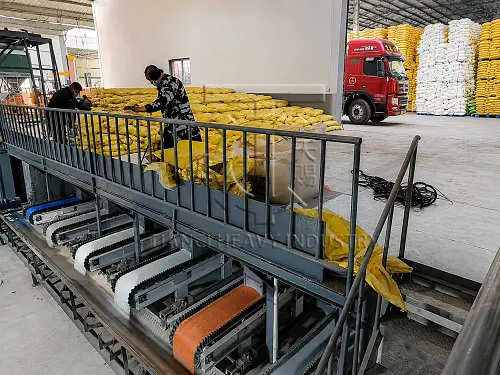
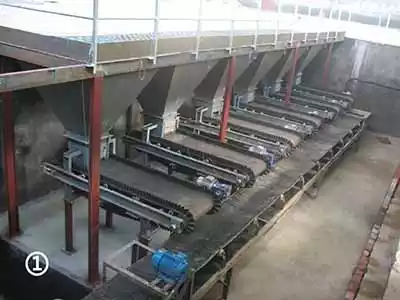
Automatic Batching System
Automatically weighs and precisely blends various raw materials according to the formula, reducing human error and improving production efficiency and product consistency.
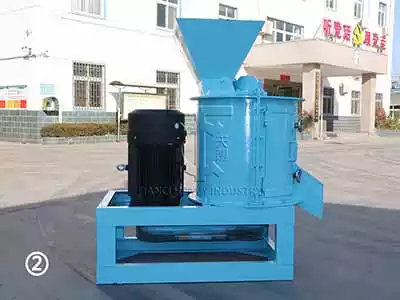
Crusher
Crushes clumped or large-particle raw materials to the appropriate particle size, providing uniform and stable material for subsequent mixing and granulation.
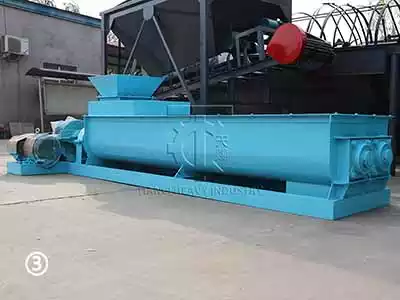
Mixer
Thoroughly and evenly mixes various fertilizer raw materials to ensure more consistent nutrient distribution and improve the quality of subsequent granulation.
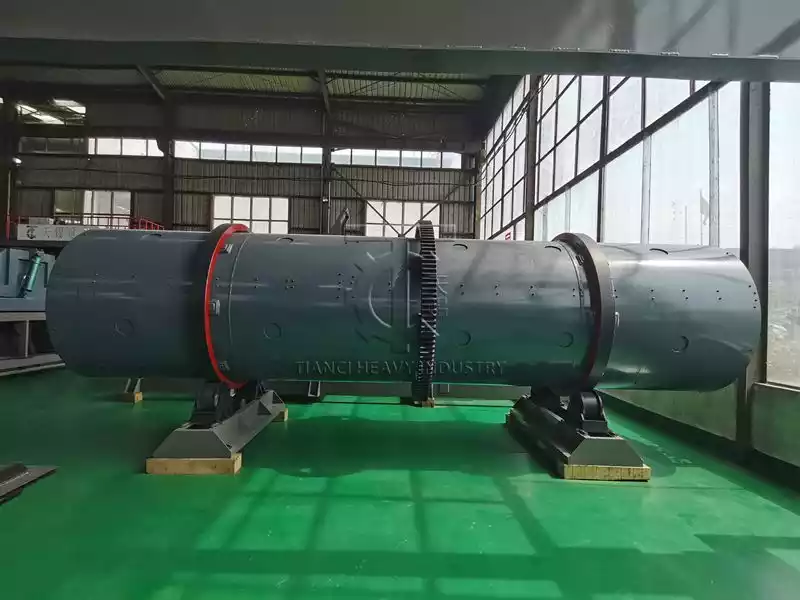
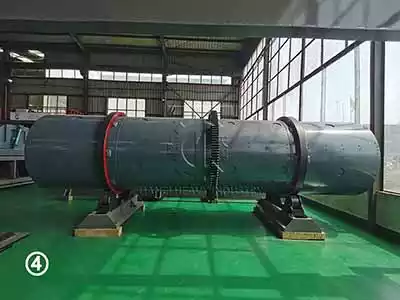
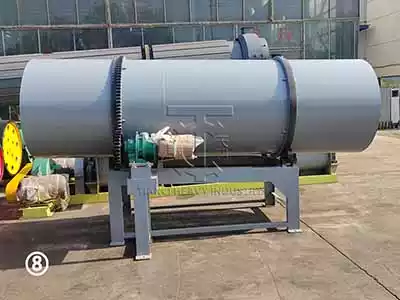
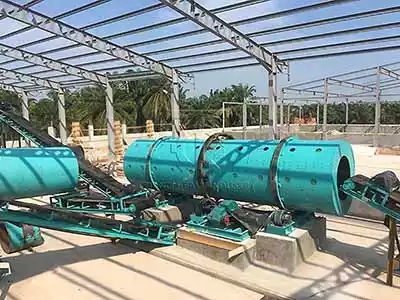
Rotary Drum Granulator
Utilizes the rotation of the drum and a wet granulation process to form smooth, uniform, and high-strength spherical fertilizer granules.
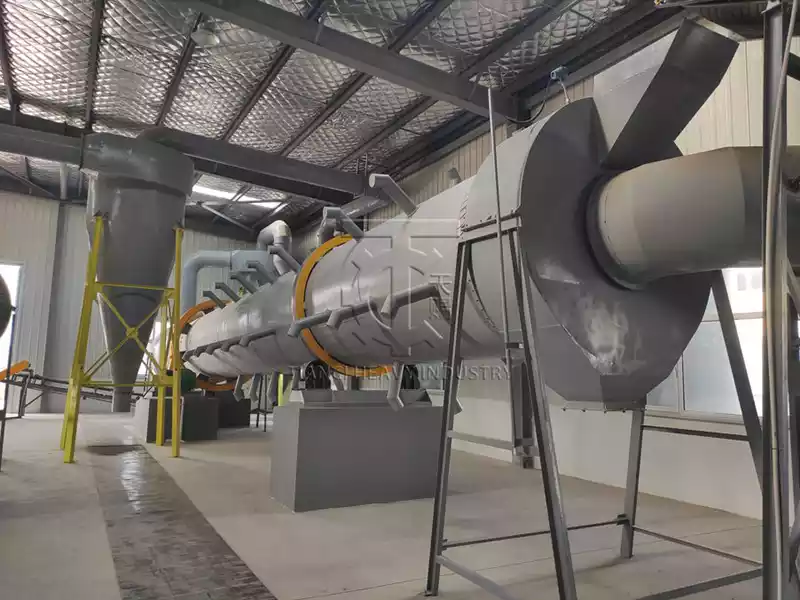
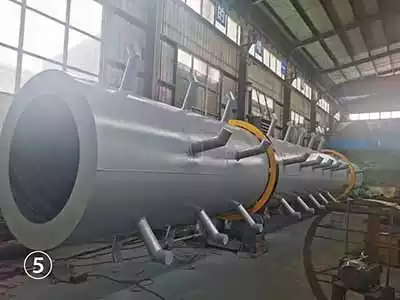
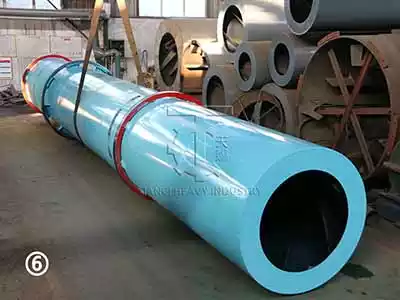
Dryer
Rapidly reduces the moisture content of fertilizer granules, improves granule strength, prevents caking, and facilitates subsequent storage and transportation.
Cooler
Rapidly cools high-temperature granules, further increasing granule hardness, reducing moisture reabsorption, and ensuring stable product quality.
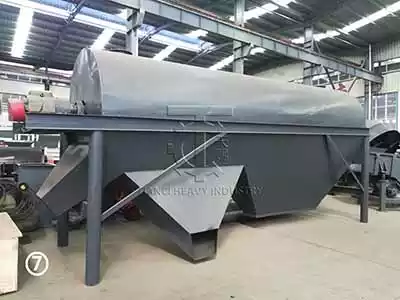
Screener
Sorts out finished granules that meet specifications, while returning non-conforming granules for re-granulation, thereby improving the granulation yield and product quality.
Coating Machine
Applies a uniform protective coating to the surface of the granules, effectively preventing caking and enhancing both the appearance and storage performance of the granules.
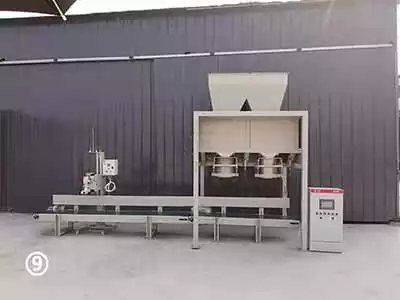
Automatic Packaging Machine
Automatically performs packaging processes such as weighing, bagging, and sealing, improving packaging efficiency and reducing labor costs.
Workflow
1. Automatic Batching Based on the preset fertilizer formula, the automatic batching system precisely weighs and controls the proportions of raw materials such as urea, phosphate fertilizer, and potash, providing stable and accurate raw material ratios for subsequent production and ensuring consistent product quality.
2. Raw Material Grinding Raw materials that are caked or have large particle sizes are fed into a crusher for fine grinding. This process ensures a more uniform particle size distribution, improves mixing efficiency, and creates optimal conditions for subsequent wet granulation.
3. Uniform Mixing The crushed raw materials are fed into a mixer for thorough blending, ensuring that nitrogen, phosphorus, potassium, and trace elements are evenly distributed. This enhances formulation consistency and provides a uniform, stable mixture for granulation.
4. Drum Wet Granulation The mixed material enters the drum granulator, where it continuously agglomerates into granules under the combined action of steam, moisture, and rotation, ultimately forming spherical compound fertilizer granules with uniform particle size, a rounded and plump shape, and high strength.
5. High-Efficiency Drying The newly formed wet granules enter the dryer, where their moisture content is rapidly reduced to improve granule hardness and stability, thereby preventing issues such as caking and deformation during storage and transportation.
6. Rapid Cooling The high-temperature granules emerging from the dryer enter a cooler for rapid cooling, which further enhances granule strength, reduces moisture reabsorption, and improves the storage performance of the finished fertilizer as well as subsequent packaging efficiency.
7. Finished Product Screening The cooled granules are graded using a drum screen; those meeting specifications proceed to the next process, while oversized or undersized granules are returned to the production line for re-granulation, thereby improving the overall granulation yield.
8. Granule Coating Qualified granules enter the coating machine, where an anti-caking agent is evenly sprayed onto their surfaces. This effectively reduces moisture absorption and caking, improves the appearance of the granules, and enhances storage stability and market competitiveness.
9. Automatic Packaging After coating, the finished fertilizer enters the automatic packaging system, where processes such as weighing, bagging, and sealing are completed. The packaged products can be directly stored, transported, or sold, enabling continuous production.
Working Project
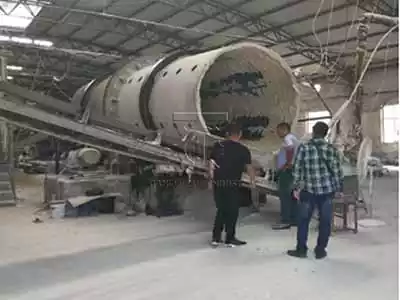
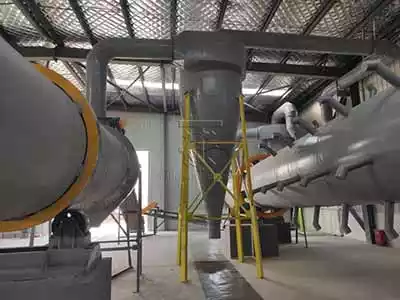
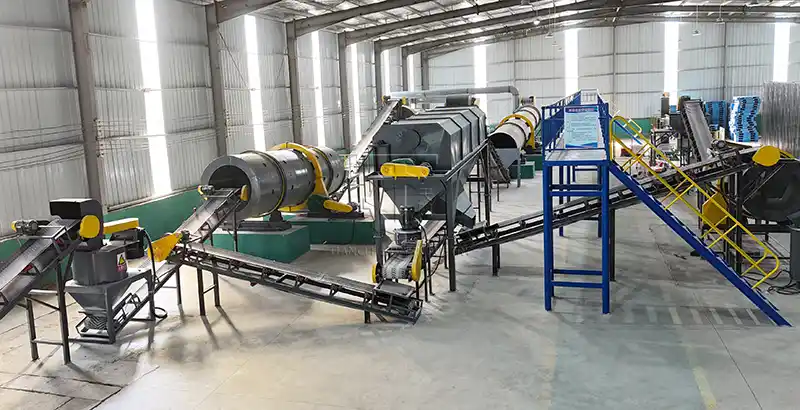
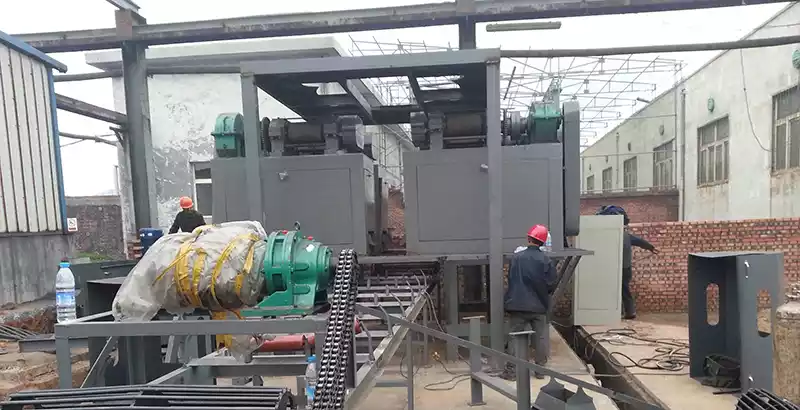
With over two decades of deep expertise in the fertilizer equipment manufacturing industry, our compound fertilizer production lines have been successfully deployed in fertilizer production projects across numerous countries and regions in Asia, Africa, the Middle East, South America, and Australia, where they continue to operate stably. Leveraging our extensive project implementation experience and proven compound fertilizer production processes, we provide customers with one-stop solutions—from raw material analysis and process design to equipment manufacturing, installation, and commissioning—to help them build efficient, stable, and intelligent compound fertilizer production plants.
Backed by a professional technical team and a comprehensive service system, we can tailor compound fertilizer production line solutions based on our clients’ raw material characteristics, target production capacity, product formulations, plant conditions, and investment requirements. These solutions encompass the entire production process—including automatic batching, mixing, granulation, drying, cooling, screening, coating, and packaging—to ensure a smooth production flow and optimal equipment configuration.
From project planning, equipment manufacturing, and export shipping to on-site installation and commissioning, we provide end-to-end technical support to continuously optimize production efficiency, granule quality, and equipment operational stability. Whether for NPK compound fertilizer or functional compound fertilizer production projects, we can provide specialized, customized solutions tailored to our clients’ needs. With reliable equipment performance, proven production technology, and comprehensive after-sales service, we help clients worldwide achieve rapid commissioning and long-term, stable operation of their compound fertilizer projects, continuously enhancing production efficiency and market competitiveness.
Delivery
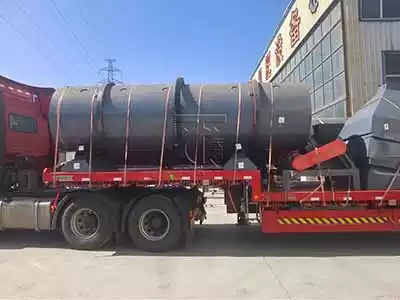
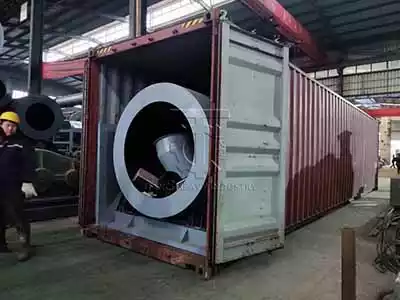
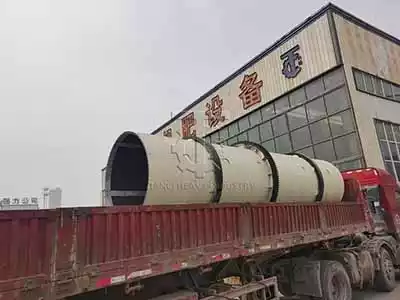
Our compound fertilizer production lines have been successfully exported to numerous overseas markets, including Asia, Australia, Africa, the Middle East, and South America. Leveraging our proven manufacturing expertise and comprehensive international delivery system, we provide stable and efficient fertilizer production solutions to customers worldwide. From equipment design and manufacturing to on-site installation and delivery, we enforce strict quality management standards at every stage to ensure that the entire compound fertilizer production line arrives safely and on time at the customer’s project site.
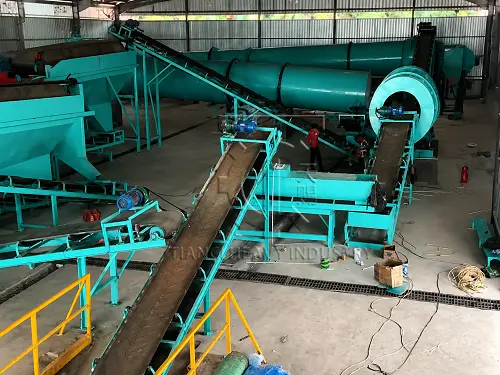
Given the large number of components, complex structure, and substantial size of compound fertilizer production line equipment, we develop specialized packaging and loading plans prior to shipment based on equipment models, structural characteristics, transportation distance, and local transportation conditions. Large equipment is transported via 20′ GP and 40′ HQ containers or as breakbulk cargo. Critical equipment components undergo reinforcement, moisture protection, and impact protection treatments to ensure that core equipment—such as drum granulators, dryers, screeners, and conveying equipment—remains in excellent condition during long-distance transport.
Our professional international trade team manages the entire export process, including equipment inspection, preparation of export documentation, container loading arrangements, international logistics coordination, and shipment tracking, providing customers with a hassle-free delivery experience. Whether projects are located in Southeast Asia, Australia, Africa, the Middle East, or South America, we adhere to high standards for equipment delivery and comprehensive after-sales support, helping customers quickly complete the installation and commissioning of their compound fertilizer production lines to achieve stable production and long-term operational value.
FAQ
This production line is primarily used to produce NPK compound fertilizers, high-nitrogen compound fertilizers, high-concentration compound fertilizers, and compound fertilizers with various formulations. It is suitable for a variety of raw materials, including urea, potassium chloride, potassium sulfate, monoammonium phosphate, and diammonium phosphate, and formulations can be flexibly adjusted according to crop requirements.
Drum wet granulation uses steam, water, or binders for wet granulation, producing round, high-strength granules with an excellent appearance, making it more suitable for large-scale continuous production. In contrast, double-roller extrusion granulation is a dry process that does not require drying; it is suitable for small- to medium-scale production capacities and projects with high energy efficiency requirements.
Depending on customer requirements and equipment configuration, the production line’s capacity typically ranges from 3–20 metric tons per hour. Customized solutions with higher or lower capacities can also be provided based on project scale to meet various investment needs.
A standard production line typically includes an automatic batching system, a crusher, a mixer, a drum granulator, a dryer, a cooler, a screen, a coating machine, an automatic packaging machine, and a belt conveyor system. The configuration can be flexibly adjusted according to the customer’s process requirements.
This production line offers advantages such as high output, high granulation efficiency, well-rounded and uniform granules, continuous production, broad formulation adaptability, and a high degree of automation. It is suitable for long-term, stable operation at medium- and large-scale compound fertilizer production enterprises and can effectively improve product quality and production efficiency.
Create a simple and convenient service experience for you anytime, anywhere.